
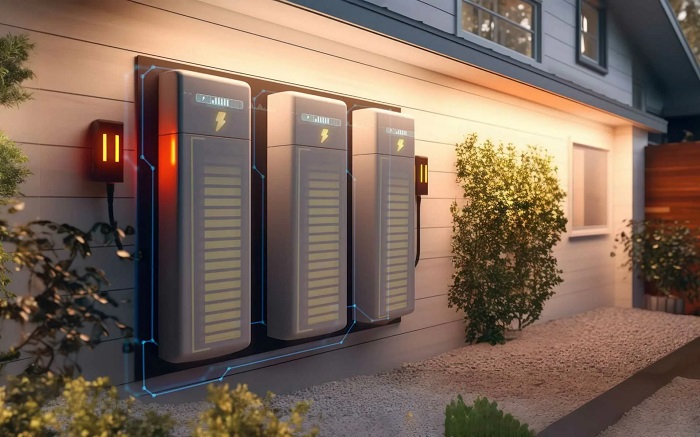
A home battery without solar can sound backwards. Why store grid electricity just to use it later? In the right utility territory, the answer is time.
Time-of-use pricing charges different electricity rates at different hours. The basic idea behind arbitrage is simple: charge the battery when electricity is cheaper, then use stored energy when grid power is expensive. The result depends entirely on the rate spread, battery efficiency, and how the home uses electricity.
The Tariff Is the Product
Without solar panels, a battery has no free daytime generation to capture. That means the utility tariff becomes the main value driver.
If off-peak electricity is only slightly cheaper than peak electricity, the savings may be too small. If the difference is large, especially during summer evenings, storage can reduce peak-period purchases. The Department of Energy notes that storage allows electricity to be used at different times from when it was generated. That flexibility is exactly what time-of-use arbitrage relies on.
Round-trip efficiency matters. A battery always loses some energy while charging and discharging. If a battery returns 90% of what it stores, the price difference must be large enough to cover that loss, plus equipment cost.
Backup Value Changes the Math
A battery without solar may still be worthwhile for resilience. It can charge from the grid before storms if the system has that function, then power selected loads during an outage. It will not recharge indefinitely unless paired with solar or another power source, but it can bridge short interruptions quietly.
That matters for homes with medical equipment, remote work needs, sump pumps, or frequent utility shutoffs. The value is not always captured in a simple payback spreadsheet.
For a homeowner comparing non-solar storage options, https://www.esysunhome.com/for-home/ offers a useful reference point for residential ESS configurations such as HM5 and HM6. These single-phase all-in-one systems, listed at 5-6 kW and 5-30 kWh, can fit homes that want basic storage, backup, or rate optimization.
Controls Decide Whether Savings Are Real
A battery used for arbitrage must follow the rate schedule. Charging at the wrong time can erase savings. Discharging too early can leave the home exposed during the true peak.
That is why app-based control is more than a convenience. ESYsunhome APP / Cloud features such as energy-flow monitoring and remote control can help homeowners understand when the battery is charging, discharging, or preserving reserve. Smart operation should also allow backup reserve settings so the battery does not drain itself chasing small rate savings before an outage.
When It Works Best
Battery storage without solar is most likely to make sense when several conditions line up:
- The utility offers strong time-of-use price differences
- Peak hours match the home’s evening usage
- The battery has enough power for key loads
- Backup has real value to the household
- The system can be programmed around rate windows
It is less compelling under flat electricity rates, weak peak pricing, or very low outage risk. In those cases, solar-plus-storage may create more value because the battery has clean on-site energy to capture.
The honest answer is that time-of-use arbitrage can work, but it is not universal. The battery is only half the story. The rate plan, controls, and household behavior decide whether stored grid power becomes a smart financial tool or just an expensive comfort feature.