
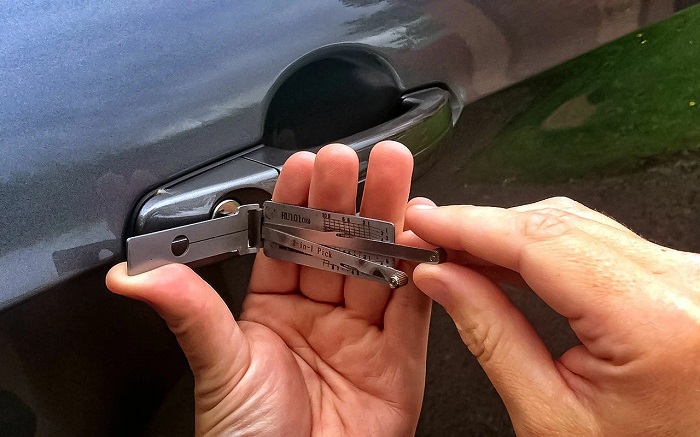
Opening car doors is a process that requires care and knowledge of certain rules to avoid damage and maintain vehicle safety. Incorrect actions can lead to costly repairs or damage to locks and glass.
Before beginning, it is important to familiarize yourself with basic methods and recommendations, as well as seek professional advice. You can learn more about the intricacies and nuances of the process by exploring more information on https://carlocksmithkitchener.ca/. Following established rules will help you complete the task quickly and safely.
Proper Methods for Opening Car Doors: Step-by-Step Instructions and Recommendations
Opening car doors is a task that requires care and knowledge of certain technical features. Incorrect actions can damage the lock or the car body, which will incur additional repair costs. Therefore, before beginning the procedure, it is important to choose the appropriate method depending on the situation and the type of lock.
Please note that opening a car yourself is recommended only in extreme cases or when you do not have access to the keys. For the safety and security of your vehicle, it’s best to contact professional locksmiths or emergency unlocking services.
Car Door Opening Methods — Step-by-Step Instructions and Recommendations
- Using Tension Hooks or Squeakers: This method is suitable for doors with a vertical locking system. First, insert a thin, sturdy tool between the door and the door frame, gently twisting it upward to engage the locking mechanisms. Then, slowly lift it until the lock opens. It’s important to avoid excessive force and damage.
- Plastic Spudger Method: This method is used for vehicles with a center or interior handle. Carefully insert a plastic spudger into the gap between the door and the body to disengage the locking mechanism or move the deadbolt. Avoid using metal tools to avoid scratching the finish or damaging the electronics.
- Using a special tool – a radio-controlled hook or a gas-powered wrench. If the lock is located at the top of the door, a radio-controlled hook or a hydraulic booster will work. Insert the tool into the gap, hook it onto the internal mechanism of the lock, and twist or pull. This method requires a certain amount of dexterity and experience.
The Subtleties of Choosing Tools for Careful Opening Without Damage
Choosing the right tools involves understanding their function and design features. Among the most important elements are blades and pry bars made of durable yet flexible materials, such as composites or stainless steel. They allow you to carefully penetrate between the door and the body without creating unnecessary stress or scratches. It is also necessary to use tools that are non-aggressive to glass and seals to preserve the integrity of all vehicle components.
Key Tools for Careful Door Opening
- Plastic spudgers – soft, flexible, and at the same time strong enough to pry up panels and seals without damaging them.
- Hook and chain sets – allow you to grab locks and handles, minimizing the risk of damaging door components.
- Special tools for working under pressure – help gently pry components away without excessive force.
- Choice of tool thickness and shape – important for penetrating tight gaps and reaching the lock without excessive force.
- Quality of materials – tools made of composite materials or stainless steel significantly reduce the risk Damage.
- Compatibility with vehicle type – consider the specific features of your specific model to prevent accidental damage.
Effective approaches to initial diagnostics of the lock and its condition
To promptly identify problems with your car lock, it is important to use the correct diagnostic methods. This will help determine the need for repair or replacement, and also prevent additional damage when opening the door.
This article discusses the main approaches to assessing the condition of the lock and identifying its malfunctions with minimal risk.
Basic methods of initial diagnostics
- Visual inspection – check the lock for external damage, corrosion, and contamination. This will help determine how functional the lock is and whether cleaning or repair is necessary.
- Operability check – attempt to open the lock with the standard keys or electronic controls. If the lock doesn’t respond, you should proceed to a more detailed diagnosis.
- Using specialized tools – using testers and multimeters to determine the electrical condition and presence of voltage to the lock’s electronic components.
A proper initial diagnosis can help determine the most effective way to open the door and troubleshoot the problem. Approaches should be individualized depending on the type of lock and the nature of the damage. Using comprehensive diagnostic methods significantly increases the chances of a safe and quick solution, preserving the integrity of the door mechanisms.